

Eco-Intelligence in Design: The Rise of Sustainable Architect Services
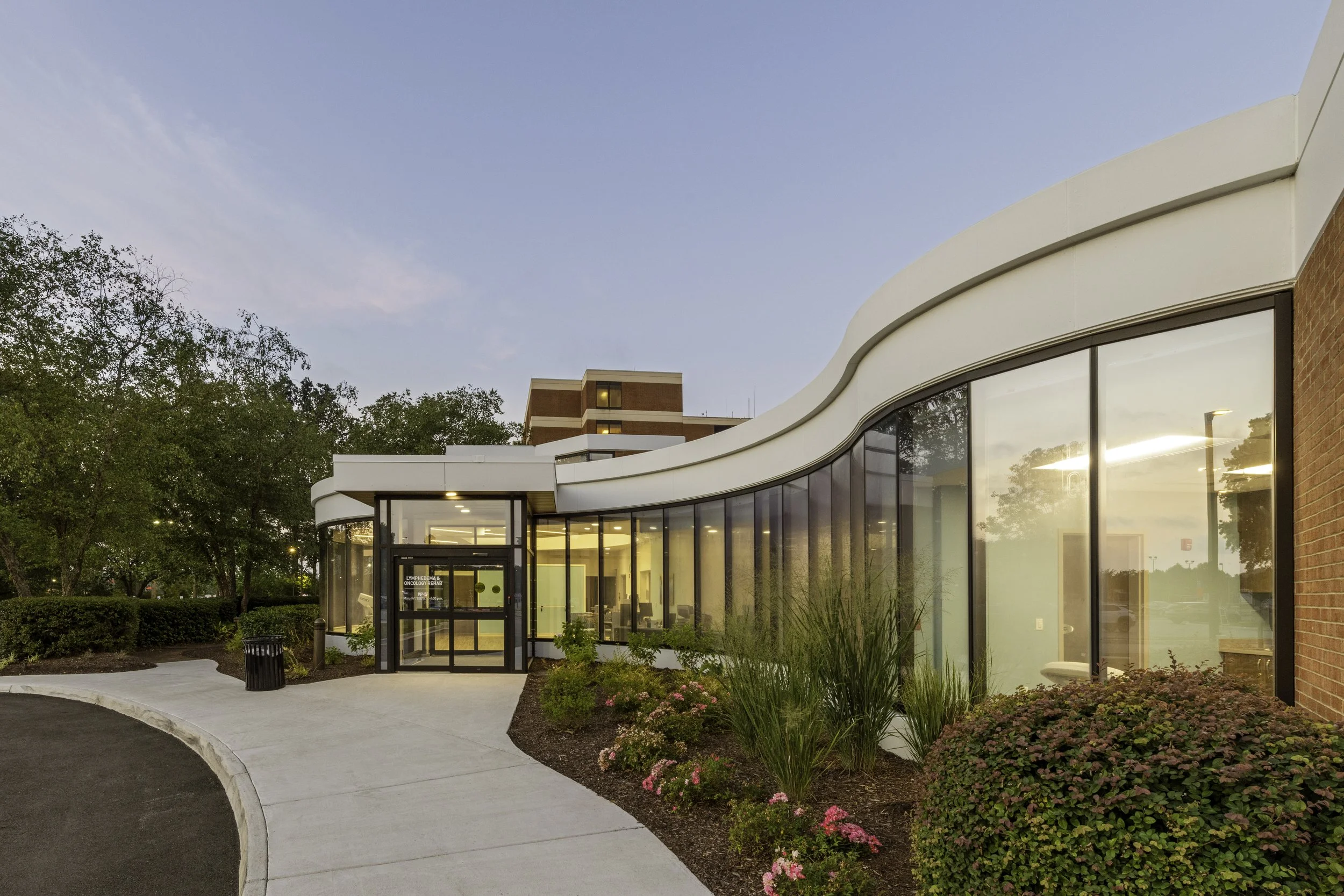
In today’s rapidly evolving world, sustainability has become a cornerstone of responsible development, especially in industries as impactful as architecture. Among architect services, the surge in eco-intelligence is transforming how commercial healthcare facilities are designed, built, and operated. This new era of architecture prioritizes environmental stewardship, patient well-being, and operational efficiency, fundamentally reshaping the landscape of healthcare architecture.
PF&A Design, a reputed architect office specializing in commercial healthcare architecture, epitomizes this shift. Their approach showcases the sophisticated expertise and broad scope that professional architects bring to complex healthcare projects, differentiating sharply from the limited role and scope associated with building designers.
Understanding the Distinction: Architects vs. Building Designers
A critical clarification must be made from the outset: architects and building designers are not interchangeable titles. Unlike building designers, architects are extensively trained and licensed professionals with rigorous education, practical experience, and regulatory certification. This process empowers architects to manage and deliver large-scale, complex projects beyond the residential or small commercial focus typically associated with building designers.
Building designers frequently engage with smaller, residential, or limited commercial projects with a focus on aesthetics and layout. They do not possess the same level of formal education, licensing, or professional experience required to navigate the intricate demands of high-stakes environments such as healthcare facilities.
Architects operate at a comprehensive level, from initial conception through to construction completion, ensuring regulatory compliance, advanced functional needs, and sustainable innovation align seamlessly to create safe, efficient, and healing environments. Thus, architects, especially those within a specialized commercial healthcare architect office like PF&A Design, serve a pivotal role far beyond that of building designers.
Specialty in Commercial Healthcare Architecture
Healthcare architecture is a specialized domain requiring architects to possess an intricate understanding of the medical industry’s operational, regulatory, and technological complexities. Designing healthcare environments such as hospitals, outpatient centers, rehabilitation facilities, and medical offices demands a robust integration of patient safety, workflow optimization, infection control, and healing-focused design.
Unlike residential projects where personal preferences may dominate, healthcare architecture must prioritize evidence-based design principles that improve patient outcomes, enhance staff efficiency, and contribute to operational sustainability. This is where the full expertise of trained architects becomes essential.
PF&A Design’s architect office excels in this domain, delivering tailored commercial healthcare architectural services that incorporate the latest research, best practices, and sustainability principles. Every design is crafted to meet the evolving healthcare landscape's demands, supporting the delivery of compassionate, efficient, and forward-looking medical care.
The Rise of Eco-Intelligence in Healthcare Architecture
Eco-intelligence broadly refers to the integration of ecological awareness and smart technology in design and construction. Within healthcare architecture, this means developing buildings that reduce environmental impact while promoting health and well-being. Sustainability is no longer an optional feature but a foundational aspect of modern architect services near me.
Sustainable healthcare architecture involves:
Energy efficiency: Using design strategies and technologies that minimize energy consumption and lower utility costs, freeing resources for patient care.
Material selection: Prioritizing non-toxic, recyclable, and locally sourced materials to reduce waste and environmental harm.
Water conservation: Incorporating systems to reduce water usage and promote responsible resource management.
Indoor environmental quality: Maximizing natural lighting, improving air quality, and reducing noise pollution to foster healing environments.
Waste management: Designing for efficient waste segregation, recycling, and disposal to reduce the facility’s ecological footprint.
By applying eco-intelligence, architects at PF&A Design create healthcare environments that not only meet strict health and safety standards but also support longer-term ecological balance.
Architects as Visionaries and Innovators
Professional architects emerge as visionaries in healthcare projects, balancing complex technical, regulatory, and human factors. They leverage cutting-edge design tools, sustainable technologies, and evidence-based practices, continually innovating to address future challenges.
In contrast to contractors who focus on construction execution, architects oversee the entire lifecycle of a project, from spatial programming and conceptual design to detailed planning and construction supervision, ensuring every element aligns with the client’s goals and regulatory standards.
This holistic and proactive involvement is particularly crucial for healthcare facilities, where dynamic technology advancements, patient care models, and sustainability requirements evolve rapidly.
The Comprehensive Role of an Architect Office
An architect office like PF&A Design offers a full spectrum of services tailored to healthcare projects, including:
Detailed site analysis and feasibility studies
Development of schematic and conceptual designs grounded in clinical workflows
Regulatory compliance and permitting processes
Coordination with engineers, healthcare consultants, and contractors
Cost estimation and budget management
Sustainable design integration and LEED certification support
Construction administration and post-occupancy evaluation
This extensive service portfolio reflects architects' multifaceted expertise and underlines why building designers, limited by education and licensing, cannot substitute for architect services on commercial healthcare projects.
Client Collaboration and Evidence-Based Design
Successful healthcare architecture relies on collaboration among architects, healthcare providers, administrators, and medical staff. Architects translate operational needs and clinical visions into spatial designs that prioritize safety, comfort, and efficiency.
Evidence-based design is a hallmark of modern healthcare architecture; design decisions are informed by research around patient outcomes, staff satisfaction, and infection prevention. For instance, incorporating access to daylight, nature views, and noise reduction strategies has been scientifically linked to improved healing and reduced stress.
PF&A Design’s architect office partners closely with clients to customize solutions, ensuring that every design detail advances the mission of care while honoring sustainability commitments.
The Future of Sustainable Architect Services
As global environmental concerns intensify alongside healthcare demands, the future of architect services lies increasingly in eco-intelligence and sustainability. Advances in digital modeling, smart building technologies, and material sciences will empower architects to design even more adaptive, resilient, and resource-efficient healthcare environments.
Architects specializing in healthcare stand at the forefront of this evolution, shaping the built environment to serve patients, staff, communities, and the planet. Their greater education, licensing, and breadth of expertise, compared to building designers, qualify them uniquely for this complex and meaningful work.
Conclusion
Eco-intelligence signifies the rise of a new paradigm in architect services, especially within commercial healthcare architecture. This transformative approach champions sustainability, evidence-based design, and client collaboration, underscoring the irreplaceable role of licensed architects.
By choosing an experienced architect office near me, like PF&A Design, healthcare organizations gain visionary partners capable of delivering innovative, environmentally responsible, and patient-centered facilities, far beyond what building designers offer.
PF&A Design
101 W Main St #7000, Norfolk, VA 23510, United States
(757) 471-0537
https://www.pfa-architect.com/