

The Business of Beauty: How Top Architecture Firms Turn Vision into Value
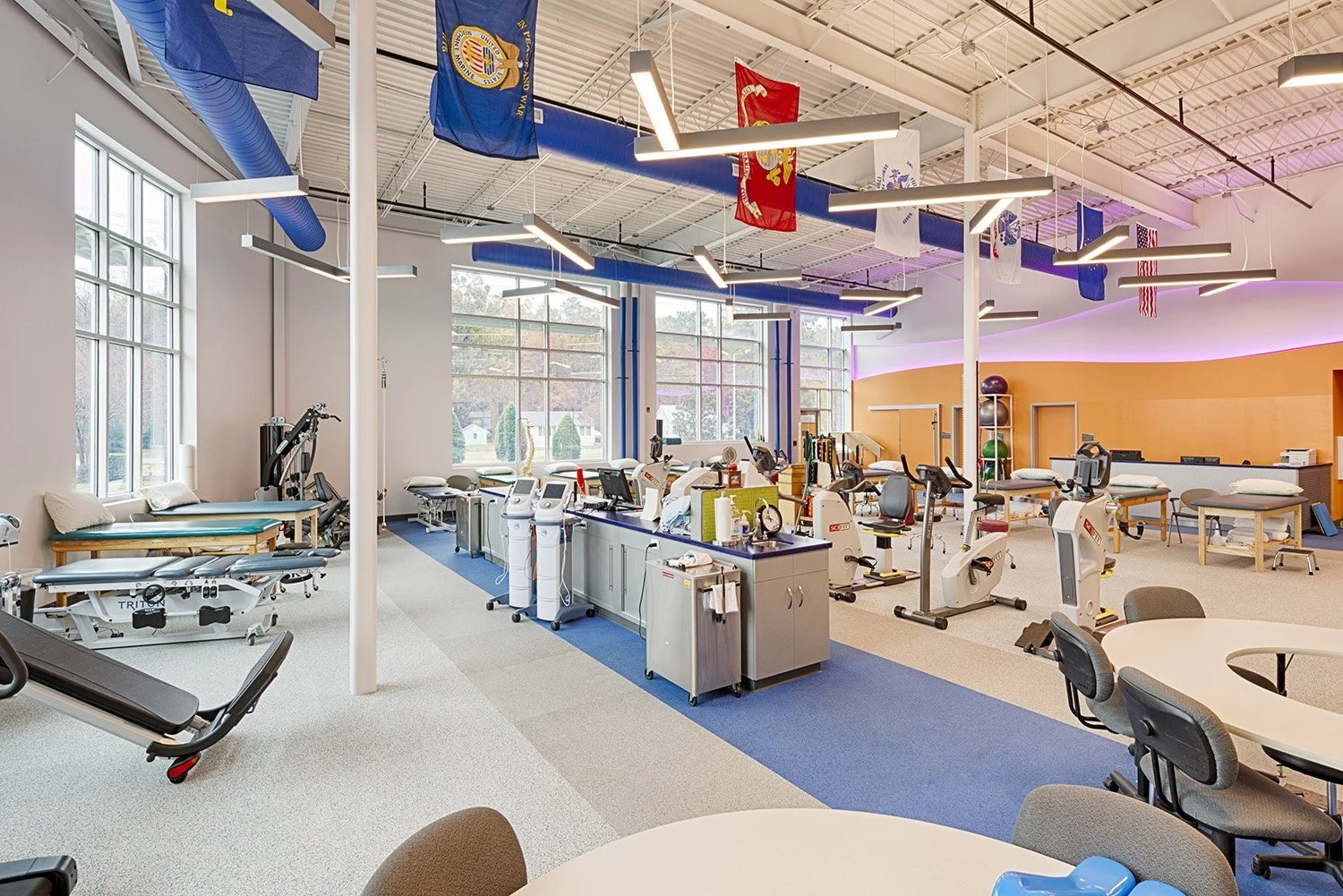
In the world of commercial architecture, transforming visionary concepts into tangible value is an art mastered by leading architecture firms. Among these, firms specializing in commercial healthcare architecture stand out by creating environments that not only inspire but also support critical health outcomes. This blog explores how top architecture firms, driven by highly qualified architect designer near me, differentiate themselves from building designers, emphasizing their expertise, scope, and impact in the industry.
The Distinction Between Architect Designers and Building Designers
One of the most essential clarifications in the realm of architectural services is the clear distinction between architects and building designers. While the terms are sometimes loosely used interchangeably, their qualifications, scope of work, and professional responsibilities are markedly different.
Architects are licensed professionals who undergo rigorous formal education, typically earning a bachelor's or master's degree in architecture. This is followed by comprehensive practical training and successful completion of licensing examinations, allowing architects to legally design, approve, and oversee complex construction projects ranging from hospitals to high-rise commercial buildings. Their roles extend well beyond creating visually appealing structures; they are entrusted with ensuring safety, structural integrity, sustainability, compliance with building codes, and integration of advanced technology within their designs.
In contrast, building designers generally focus on residential or small-scale commercial projects. They typically do not require the same level of formal education or licensing as architects. Their expertise often centers on layout and aesthetics for homes and low-rise buildings, but they lack the comprehensive scope that architects possess, particularly in commercial healthcare architecture. This distinction is critical, as using the term "building designer" broadly can unintentionally diminish the recognized professionalism and responsibilities of architects, especially in specialized fields.
The Specialized Scope of Architecture Firms in Commercial Healthcare
Architecture firms with a focus on commercial healthcare architecture perform a unique and demanding role. Their work environment revolves around the complexities and necessities of healthcare facilities, hospitals, clinics, surgery centers, and health campuses, requiring an in-depth understanding of healthcare workflows, patient safety, staff efficiency, regulatory compliance, and the integration of cutting-edge medical technologies.
Top firms in this sector marry aesthetics with function, designing spaces that foster healing and wellness while facilitating critical medical operations. Their approach is evidence-based, using data and research to guide design decisions that improve patient outcomes and reduce operational costs. The value delivered by such firms is measured not only in the beauty of their structures but in the well-being they promote and the enhanced experiences for patients and healthcare professionals alike.
How Architect Designers Turn Vision into Value
Architects at leading firms transform abstract ideas into functional, sustainable, and beautiful spaces through a comprehensive design and execution process:
Visionary Conceptualization: Architects collaborate closely with clients, healthcare specialists, and stakeholders to grasp the broader goals, challenges, and vision for each project. This foundational phase sets the tone for design innovation and strategic planning.
Integrative Design Solutions: Expertise in structural engineering, environmental sustainability, and cutting-edge technology enables architects to create complex yet user-friendly designs. These solutions balance aesthetics with medical functionality, safety, and code compliance.
Meticulous Planning and Documentation: Architects produce detailed construction drawings and specifications that guide every step of building. They ensure all plans meet strict regulations and client standards, coordinating closely with engineers, contractors, and consultants.
Project Oversight and Collaboration: Beyond design, architects often play an essential role throughout construction, ensuring that the vision is faithfully executed while managing timelines, budgets, and quality control.
For example, an architecture firm that designs a new hospital integrates modern infection control, flexible patient rooms, natural lighting, and comfortable waiting areas to enhance both clinical and human experiences. Such thoughtful design adds tangible value by improving staff efficiency, patient safety, and operational sustainability.
Why Choose an Architect, Not a Contractor or Building Designer
It is critical to understand that architects are not contractors. Architects provide the vision, detailed plans, and ongoing consultation; contractors execute the construction. Choosing an architect, particularly from a top architecture firm specializing in commercial healthcare, ensures the project benefits from deep expertise and strategic foresight that building designers do not typically offer.
Building designers are valuable in their niche, primarily smaller residential or retail projects, but commercial healthcare architecture demands the higher qualifications, comprehensive responsibilities, and technical know-how that only architects provide. For healthcare clients seeking innovation and long-term value, partnering with an experienced architecture firm like PF&A Design ensures the project transcends basic construction to become a benchmark in healthcare excellence.
Conclusion
The business of beauty in architecture goes far beyond the superficial. Top architecture firms, led by dedicated architect designers, create lasting value by turning visionary ideas into sophisticated, functional realities, especially in the high-stakes world of commercial healthcare architecture. These firms exemplify how specialized expertise, comprehensive training, and a holistic approach to design elevate their clients' investments into assets that inspire healing, sustainability, and progress.
PF&A Design
101 W Main St #7000, Norfolk, VA 23510, United States
(757) 471-0537
https://www.pfa-architect.com/