

The Psychology of Space: How Architects Build Emotions Into Structures
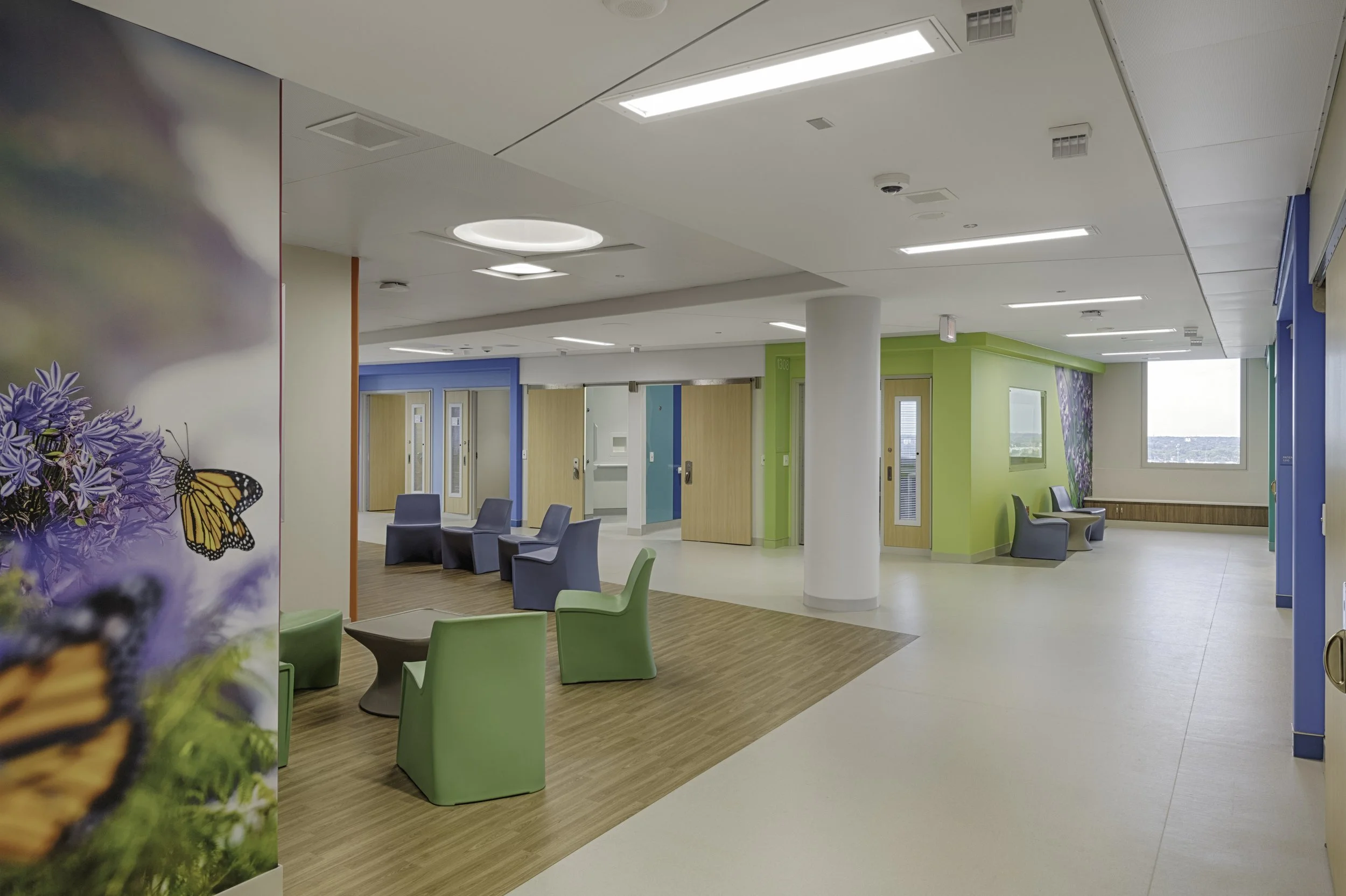
In the world of architectural design, much more is at play than just aesthetics and layout. Architects wield a profound influence over human emotions and behaviors simply through the spaces they create. Understanding the psychology of space, the study of how built environments impact our feelings and cognition, offers invaluable insight into how architects design structures that do more than shelter; they shape experiences. This is especially true in specialized fields like commercial healthcare architecture, where architects’ expertise goes far beyond basic building design to foster healing, efficiency, and emotional well-being.
Architects Versus Building Designers: Clarifying Roles and Expertise
A common misconception arises when the term “building designer” is used broadly to describe those who create architectural plans. This terminology overlooks the significant distinctions between architects nearby and building designers. Building designers typically focus on residential projects and smaller-scale designs. They generally possess less formal education, are not licensed, and have a limited scope of responsibilities. Their work revolves around creating functional, aesthetically pleasing spaces, mainly for homes or small businesses.
In contrast, architects undergo intensive formal education, typically including a bachelor's degree in architecture followed by rigorous professional licensing exams. Their responsibilities encompass much more comprehensive tasks than those of building designers. Architects are trained to conceptualize, design, and oversee construction for complex projects that often span large commercial, institutional, or healthcare facilities. Their role integrates advanced technical knowledge, including structural engineering, mechanical systems, electrical planning, and compliance with safety and environmental regulations.
When discussing PF&A Design and firms like it, it becomes clear that the expertise of architects is pivotal. These firms specialize in commercial healthcare architecture, a field demanding meticulous design to not only meet functional needs but also to create environments that promote physical and emotional healing. The scope of such architectural practice extends well beyond residential or simple commercial projects typically undertaken by building designers.
The Emotional Power of Architecture: More Than Just Structures
Architecture influences human experience on cognitive and emotional levels. Its components, such as light, color, spatial configuration, materials, acoustics, and form, interact with our senses to create meaningful emotional responses. This relationship is the essence of the psychology of space and emotional architecture.
For example, specific architectural elements can evoke feelings of calm, safety, inspiration, or even excitement. High ceilings and natural light in hospital lobbies may inspire hope and well-being, whereas small, enclosed areas might foster focus or privacy. Color choice impacts mood significantly; soft, warm tones may reduce anxiety in patient rooms, while brighter colors can energize staff workspaces.
Research from neuroarchitecture, which merges neuroscience and spatial design, demonstrates that thoughtfully designed spaces can modulate stress levels and cognitive function. In healthcare environments, where emotional and psychological states affect recovery, architecture is leveraged as an active tool for healing. By creating environments that are visually and physically comfortable, architects help reduce patient anxiety, improve staff workflow, and cultivate a positive atmosphere conducive to care.
Specialized Expertise: Architects in Commercial Healthcare Design
Healthcare architecture is a highly specialized discipline that relies on architects' deep understanding of both design and medical needs. Unlike residential projects, designing a hospital or clinic requires addressing complex functionality, safety regulations, and technological integration.
Architects manage everything from spatial organization to mechanical systems tailored for healthcare operations. They ensure that patient rooms, operating theatres, and staff areas maximize efficiency while supporting privacy, infection control, and comfort. Considerations include corridor widths suited for medical equipment, optimal ventilation and lighting, and resilient materials compliant with healthcare standards.
Moreover, healthcare architects design with a vision of the future, anticipating evolving medical technologies and increasing patient loads. The spaces they create must be adaptable and enhance both patient experience and staff performance. This holistic approach differentiates architects from building designers, emphasizing why licensed architects are critical partners in such high-stakes projects.
Architecture as an Emotional and Functional Art
Emotional architecture goes beyond the functional arrangement of space; it embodies the poetic imagination that connects deeply with users’ minds and bodies. Architect Louis Kahn famously noted, “Architecture is the reaching out for the truth.” This “truth” encompasses not only structural integrity, but the intangible quality of how a space makes people feel.
Architects create a “sense of place” that can inspire engagement or relaxation, foster a welcoming atmosphere, and tell a story through materiality, light, and form. In commercial healthcare architecture, this emotional resonance can transform sterile environments into healing sanctuaries where patients feel cared for beyond their medical treatment.
Essentially, architects serve as storytellers and facilitators of human experience. Their designs physically manifest the emotions a space is intended to evoke, whether calmness, trust, efficiency, or hope, thus enriching the built environment’s contribution to well-being.
Architects Are Not Contractors: Coordinators of Complexity
It is paramount to highlight that architects are distinct from contractors. While contractors handle the physical construction, architects coordinate the entire design process from concept to completion. They integrate inputs from engineers, consultants, clients, and regulatory bodies to ensure the building’s design intent is realized safely and effectively.
Especially in commercial healthcare architecture, this coordination role is critical. Architects ensure that structural, mechanical, electrical, and aesthetic elements all function cohesively. They oversee compliance with health and safety standards and frequently manage budgetary factors as well.
This level of oversight and expertise places architects in a unique position of responsibility and creativity, roles that far exceed the remit of building designers or contractors. Their input shapes not only what a structure looks like but how it works and how it feels to its users.
Conclusion: The Profound Impact of Architects’ Designs
The psychology of space confirms that architecture is inherently emotional. Architects are not merely creators of buildings; they are designers of human experience, influencing emotions and behaviors through spatial design. Their advanced education, licensure, and comprehensive scope enable them to shape complex environments such as healthcare facilities that both function optimally and nurture wellness.
The distinction between architects and building designers is essential and rooted in differences in training, responsibility, and project scale. For commercial healthcare architecture, relying on architects ensures spaces are designed with rigorous expertise and a deep commitment to human-centered design.
In the end, architects build emotional connections into structures, not by accident but through expert, purposeful design. They help transform places into experiences that elevate well-being, foster recovery, and inspire those who use them. This is the true power of architecture design.
PF&A Design
101 W Main St #7000, Norfolk, VA 23510, United States
(757) 471-0537